
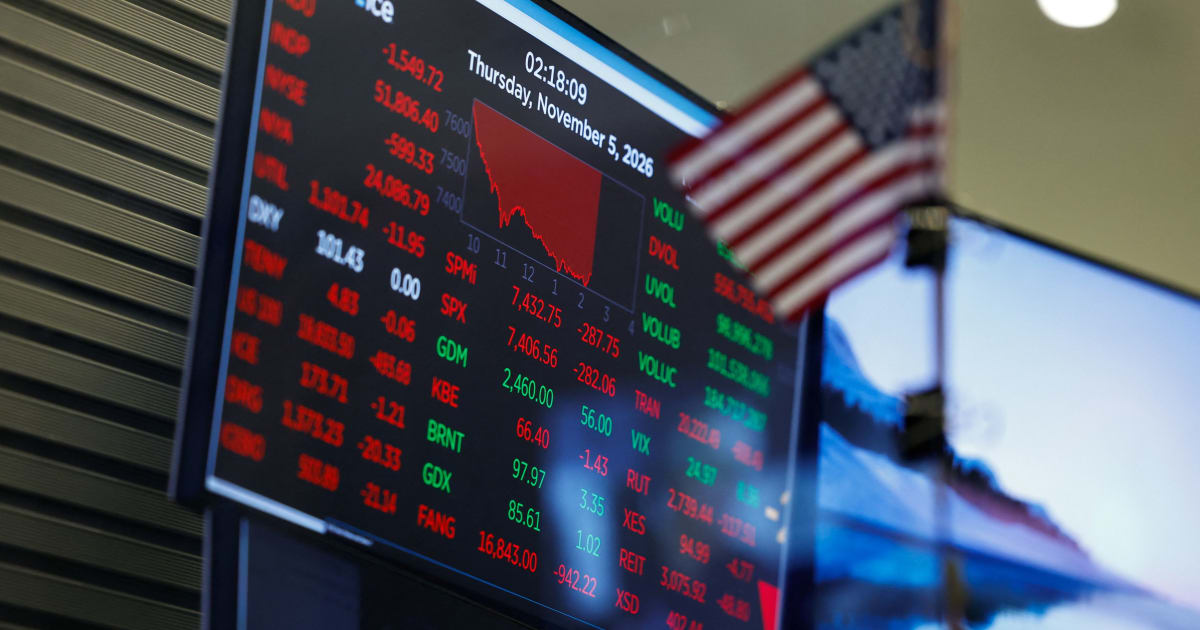
The midterm elections are over, and investors want to know what comes next for their money. Financial firm T. Rowe Price released a new update about the future of policy, the economy, and financial markets today. The report looks at how recent voting results will shape the financial world in the coming months.
What is next for policy, the economy, and financial markets?
People across the country are asking what is next for policy, the economy, and financial markets after the latest votes are counted. Election results often bring big changes to how leaders handle public money, taxes, and trade rules. When political power shifts in government, the laws that control businesses and banks can change quickly.
These policy changes directly touch the everyday economy that affects your household budget. Government choices can change how fast prices rise, how easy it is to find a job, and how much interest you pay on loans. Understanding these shifts helps regular people make smarter choices with their savings and daily spending.
How election results change government policy
New political leadership means new goals for writing laws and passing budgets. Members of Congress and white house officials must decide how to spend taxpayer money and which industries to support. These choices set the direction for federal policy on things like energy, health care, and technology.
When lawmakers disagree on big issues, policy can stall or take a brand new path. Businesses often wait to make big investments until they see which laws will pass. Clear decisions from leaders help companies feel safe to hire more workers and build new projects.
What post midterm changes mean for stock markets
Financial markets always watch government decisions very closely. Stock prices move up and down based on what investors think new laws will do to business profits. A stable plan from policymakers helps calm fears on Wall Street and main street alike.
Investors look at these post midterm trends to protect their retirement funds and savings accounts. Here are a few main areas that financial markets watch after an election:
- New Tax Laws: Changes to corporate or personal tax rates alter how much money people and companies keep.
- Industry Rules: New regulations can help some business sectors while making things harder for others.
- Government Spending: Big federal budgets can boost certain parts of the economy quickly.
- Interest Rates: Policy decisions influence how central banks manage inflation and borrowing costs.
How to protect your money after big elections
It is easy to feel worried when economic news changes after major votes. History shows that financial markets usually find their footing once the uncertainty of an election passes. Staying calm and sticking to a simple money plan is often the best choice for everyday families.
You can prepare for economic shifts by checking your personal budget and saving extra cash for emergencies. Watching how policy changes unfold helps you make good decisions without panicking over short term market drops. Keeping an eye on reliable reports from financial experts will keep your savings safe for the long haul.






0 Comments